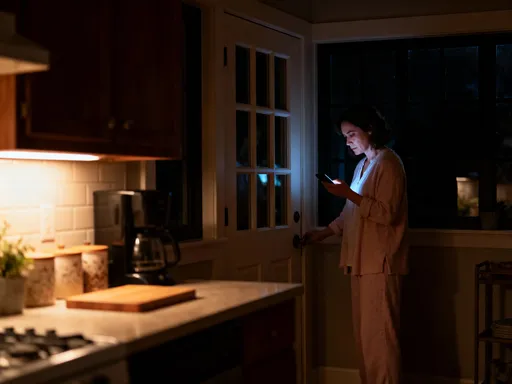
What If Your Home Could Save Energy Without You Lifting a Finger?
Imagine coming home after a long day, knowing your house has already taken care of itself—keeping energy use low, costs down, and comfort just right. No guesswork, no extra effort. Just quiet, smart efficiency in the background. What if the secret to saving energy wasn’t about sacrifice, but about working smarter? This isn’t science fiction. It’s happening now, and it’s simpler than you think. You don’t need to change everything overnight. You just need a little help from technology that understands how real life actually works.
The Hidden Cost of Not Knowing
Let’s be honest—most of us open our energy bills with a mix of dread and confusion. We see the number go up, but we don’t always know why. You haven’t bought new appliances. The kids aren’t running the dryer every day. So why is the bill creeping higher each month? It’s not because you’re careless. It’s because energy use is invisible. You can’t see it, hear it, or feel it—until the bill arrives. And by then, it’s too late.
I remember talking to my neighbor, Sarah, who told me she’d been worried about her electricity costs. She swore she was turning things off, unplugging devices, and keeping the thermostat reasonable. But still, her bill kept rising. She felt guilty, like she was failing her family somehow. Then she discovered something surprising: her guest room, which no one used, had a space heater running on low for weeks. She didn’t even know it was on. That one small thing was adding nearly $20 to her monthly bill. Multiply that by a few other unnoticed habits, and suddenly, you’re losing hundreds a year.
This isn’t about being perfect. It’s about being aware. The truth is, most homes have energy leaks—not in the walls, but in daily routines. A coffee maker left on. A TV in standby mode. A fridge that runs too warm and cycles too often. These habits aren’t obvious, but they add up. And over time, they take a toll—not just on your wallet, but on your peace of mind. You start to feel like you’re always chasing something you can’t quite control. But what if you didn’t have to?
Meet Your Home’s Silent Helper: Energy Monitoring
Think of energy monitoring like a fitness tracker for your home. Just like how a smartwatch helps you see your steps, heart rate, and sleep patterns, an energy monitor shows you exactly where your electricity is going. It doesn’t judge. It doesn’t nag. It just shows you the facts in a simple, clear way. And once you see them, you can make smarter choices—without any extra effort.
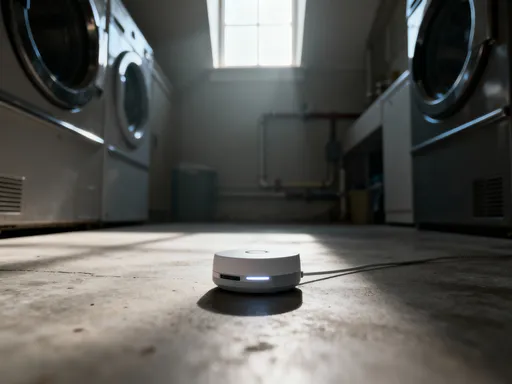
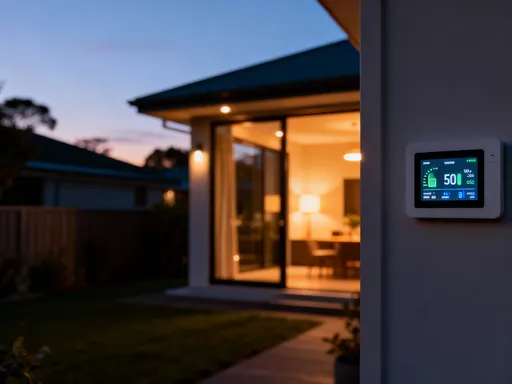
These systems work quietly in the background. Some connect to your home’s electrical panel. Others plug into outlets or work with smart plugs. They track real-time usage and send updates to an app on your phone. You don’t need to be tech-savvy to use them. Most are designed for everyday people—like you and me—who just want to understand what’s happening in our homes.
I’ll never forget the moment my friend Lisa looked at her energy app for the first time. She said, “Wait—my old TV uses more power than the refrigerator?” It turned out her 10-year-old television, even on standby, was pulling more energy than some of her major appliances. She hadn’t realized it because it wasn’t on her radar. But once she saw it, she unplugged it. That small change saved her about $15 a month. It doesn’t sound like much, but that’s nearly $200 a year—money that could go toward a family outing, a new kitchen gadget, or just a little breathing room in the budget.
That’s the power of awareness. You’re not doing anything drastic. You’re not living in the dark or freezing in the winter. You’re just making informed choices. And the best part? The system does most of the work for you. It watches. It learns. It shows you what matters—so you don’t have to guess.
How Life Organization Tools Make It Effortless
Now, you might be thinking, “Great, but I don’t have time to stare at an app all day.” And you’re absolutely right. That’s why the real magic happens when energy monitoring meets life organization tools. These aren’t just about tracking numbers—they’re about fitting smart energy use into your real life, without adding stress.
Imagine getting a gentle notification on your phone: “Your living room lights have been on for three hours. Would you like to turn them off remotely?” Or a weekly summary that says, “Your energy use dropped 12% this week—great job!” These tools act like a quiet assistant, helping you stay on track without taking over. They fit into your routine, not the other way around.
Some systems even sync with your calendar. If you have a busy morning, it might wait to run the dishwasher until evening when rates are lower. If you usually leave for work at 8 a.m., it can adjust the thermostat automatically—cooling down in summer, warming up in winter—so your home isn’t heating or cooling empty rooms. It’s not about control. It’s about convenience. And over time, these little nudges add up to big savings.
One mom I spoke with, Maria, told me how her system helped her family during a hectic week. Between school drop-offs, work meetings, and soccer practice, no one remembered to turn off the guest bathroom fan. It ran for days. But her app sent her a notification: “Unusual usage detected in upstairs bathroom.” She checked, realized what was happening, and turned it off from her phone. “It felt like the house was looking out for me,” she said. That’s the kind of peace of mind we all want—knowing things are under control, even when life gets messy.
Real Changes, Real Savings: A Week in the Life
Let’s walk through a typical week in a home using energy monitoring and smart organization tools. Monday starts with a quick glance at the app. The system shows that the heater ran longer than usual over the weekend because the windows were cracked open. Not a big deal, but good to know. The app suggests adjusting the thermostat schedule for better efficiency—and with one tap, it’s done.
Tuesday brings a surprise. The family notices a spike in energy use around 3 p.m. The mom checks the app and sees the garage is using more power than expected. She walks out and finds the freezer lid slightly ajar. She closes it, and the next day, usage drops. “I never would’ve known,” she says. “That freezer could’ve been running all month like that.”
Wednesday night, the kids are doing homework. The dad says, “Wait, the printer’s been on all week?” The app confirms it—it’s been in standby mode, drawing power even though no one’s used it. They unplug it. Small change. But over time, it adds up.
Thursday, the system sends a reminder: “Your dryer has been used five times this week. Consider air-drying clothes today to save energy.” They hang a few loads outside. The kids love helping. It becomes a little family ritual. The house feels lighter, and so do they.
Friday brings a win. The weekly report shows a 15% drop in energy use compared to last week. The family celebrates with a movie night—using the smart TV, of course, but this time, they set a timer so it turns off automatically. No arguments. No guilt. Just a cozy evening, knowing they’re doing well.
By Sunday, they’ve saved enough to cover the cost of their streaming subscriptions for the month. It’s not about deprivation. It’s about awareness. And that shift—from feeling helpless to feeling in control—is priceless.
Beyond Bills: The Ripple Effects on Family and Peace of Mind
Saving money is great, but the real gift of energy monitoring is how it changes the way your family lives together. When kids see a chart showing lower energy use, they feel proud. They start asking, “Can we beat last week’s score?” It turns conservation into a game. And games create connection.
One mom told me she started a “Green Points” system with her two kids. Every time they remembered to turn off a light or unplug a device, they earned a point. At the end of the week, points could be traded for small rewards—like picking the movie or choosing dinner. “It’s not about the prize,” she said. “It’s about them feeling like they’re part of something important.”
But it’s not just about kids. For adults, there’s a deep sense of calm that comes from knowing your home is running efficiently. You’re not worrying about waste. You’re not stressing over the next bill. You’re not feeling guilty for using the oven or running the washer. You’re living fully, but wisely. And that balance—between comfort and responsibility—is where real peace lives.
There’s also a quiet pride in doing your part. You know your choices matter. You’re not just saving money. You’re reducing your carbon footprint. You’re teaching your family about stewardship. And you’re doing it without fanfare, without sacrifice—just with a little help from tools that make it easy.
Getting Started Without the Overwhelm
If you’re thinking, “This sounds great, but I don’t know where to start,” I get it. Technology can feel intimidating. But here’s the truth: you don’t need to be an expert. You don’t need to replace every appliance. You don’t even need to spend a lot of money.
Start small. Many energy monitors cost less than $100 and take minutes to install. Some just plug into an outlet and connect to your Wi-Fi. Others work with devices you already own—like smart thermostats or voice assistants. You can begin by monitoring one room, one appliance, or just your overall usage. See what the data tells you. Then, make one small change. Unplug that old charger. Adjust the thermostat by a degree. Turn off lights when you leave a room.
The key is curiosity, not perfection. Ask yourself: “What’s one thing I could do differently?” Then try it. See what happens. Most systems give you feedback within days. You’ll start to notice patterns. You’ll see progress. And that progress will motivate you to keep going.
And remember, you’re not alone. Many utility companies offer rebates or discounts on energy-saving devices. Some even provide free home energy audits. Check what’s available in your area. You might be surprised at how much support is out there.
A Smarter, Lighter Way to Live
At the end of the day, this isn’t just about saving energy. It’s about living with more ease, more clarity, and more intention. It’s about creating a home that works for you—not against you. A home that supports your life, your family, and your values, without adding stress.
Technology like energy monitoring doesn’t replace your judgment. It enhances it. It gives you the information you need to make better choices—without the guesswork, without the guilt. It’s not about living perfectly. It’s about living smarter. And sometimes, the smallest changes make the biggest difference.
So imagine this: You walk into your home after a long day. The temperature is just right. The lights are soft. The air smells like dinner. And somewhere in the background, your home has been quietly taking care of itself—saving energy, saving money, giving you peace. You don’t have to do anything. You just get to enjoy it.
That’s not too much to ask. And with today’s tools, it’s completely within reach. You don’t need to be a tech genius. You don’t need to overhaul your life. You just need to start—where you are, with what you have. Because a smarter, lighter way to live isn’t a dream. It’s a choice. And it’s waiting for you, one small step at a time.