I thought one size fits all — How personalized smart locks gave my family real peace of mind
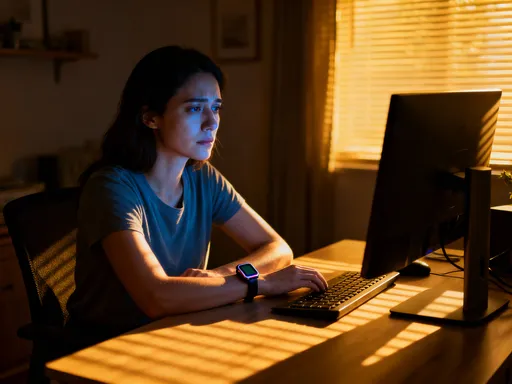
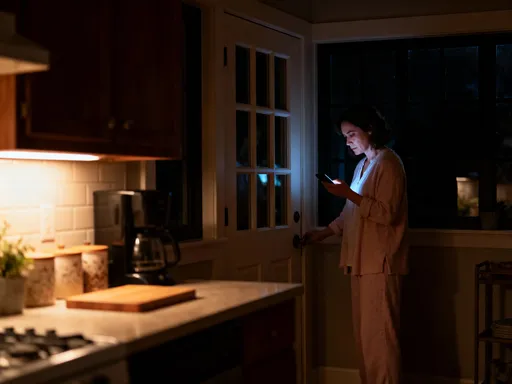
You know that moment when you’re lying in bed, staring at the ceiling, wondering—did I lock the door? I used to live in that loop of doubt. Then came smart door locks. But here’s what no one told me: not all smart locks are created equal. The real game-changer wasn’t just going keyless—it was tailoring the system to our life. From my forgetful teenager to my aging parents, customization turned anxiety into ease. This isn’t about fancy tech—it’s about feeling safe, together.
The Night I Realized Our Old Lock Was Failing Us
It was nearly midnight when my daughter called. Her voice trembled through the phone: 'Mom, I left my keys in my friend’s car. I’m outside, and the door’s locked.' I sat up, heart pounding. It wasn’t the first time. Last month, my husband had spent twenty minutes digging through snow trying to reach a spare key under the porch. And just last week, my mother-in-law stood outside for thirty minutes, unable to turn the stiff key in the aging deadbolt.
That night, frustration boiled over. We weren’t careless—we were just living full, messy lives. Kids with too much on their minds. Parents juggling work and home. Grandparents whose hands weren’t as steady as they used to be. Our old lock wasn’t just inconvenient; it was creating stress in moments that should have been simple. I remember standing at the door, unlocking it for my shivering daughter, thinking: There has to be a better way. That was the moment I stopped seeing locks as just metal and keys—as something that could actually support our family, not hold us back.
Security shouldn’t come at the cost of peace. And yet, that’s exactly what was happening. Every forgotten key, every fumbled turn, every late-night rescue mission added up. It wasn’t just about physical access—it was about emotional strain. I was tired of being the family’s emergency responder. I wanted us to feel safe, not stressed. That’s when I started looking into smart locks. Not because I loved gadgets, but because I loved my family—and I wanted to protect them in a way that fit how we actually lived.
Smart Locks Aren’t Just for Techies—They’re for Families
I’ll admit it: I used to think smart locks were for people who named their Wi-Fi networks after sci-fi movies. You know the type—someone who wears smartwatches, talks about 'the cloud,' and probably has a robot vacuum that judges them. I’m not that person. I just wanted a door that worked when we needed it to.
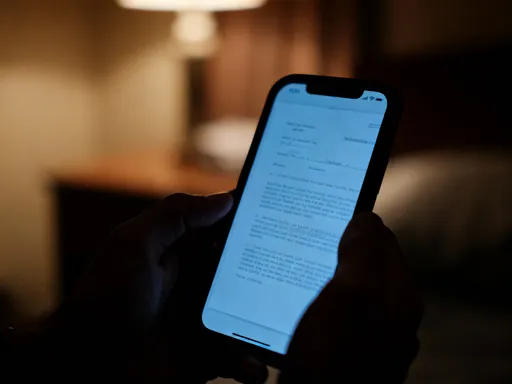
But what I discovered changed everything. A smart lock isn’t about being high-tech—it’s about being high-sense. It fits into real life, quietly and reliably. The first thing we did was install one that connected to a simple app on our phones. That night, before bed, I tapped a button and heard the soft click of the door locking from upstairs. No more double-checking. No more tiptoeing down to make sure.
My husband was skeptical. 'What if the Wi-Fi goes out?' he asked. 'What if the battery dies?' Fair questions. But the system had answers: it sends alerts when the battery is low, and there’s a physical key backup—just in case. More importantly, it works even when you’re not home. When my sister dropped by to water the plants while we were away, I didn’t have to hide a key under the mat. I sent her a temporary code through the app. She let herself in, did her thing, and the code expired when she left.
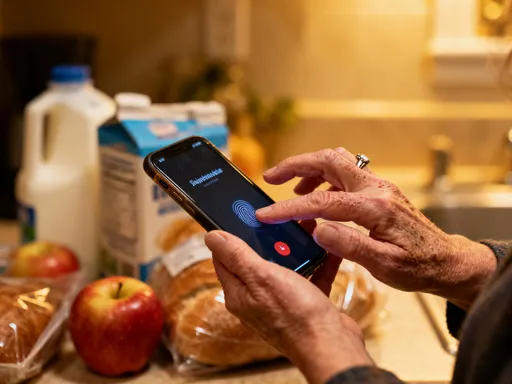
But the real win? My parents. My mom has arthritis, and turning keys has become painful. Now, she walks up, taps in her code—no twisting, no struggle—and the door opens. She smiled the first time it worked. 'I feel like I can still take care of myself,' she said. That’s when it hit me: this wasn’t just about convenience. It was about dignity. About independence. About giving people the freedom to move through their own lives without barriers.
One Family, Many Needs—Why Personalization Matters
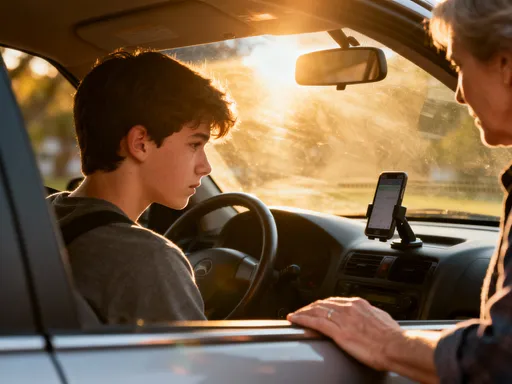
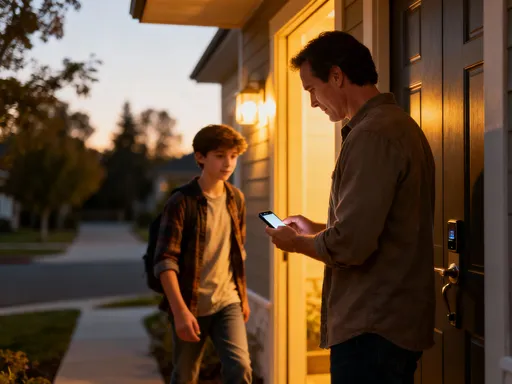
We’re not a one-size-fits-all family, so why should our front door be? My teenage son forgets everything—homework, chores, even to text back. But his safety matters. Now, when he comes home from school, he enters a code that only works between 3 and 6 p.m. If he’s late, I get a notification. Not because I want to hover, but because I want to know he’s safe.
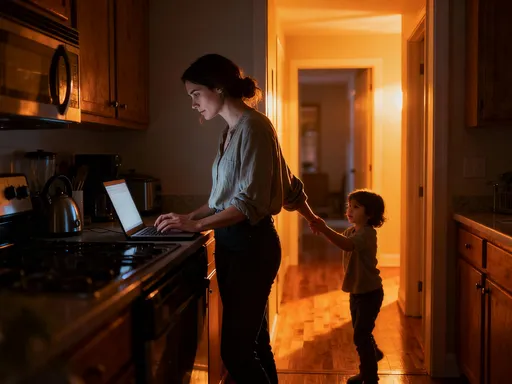
Meanwhile, my husband travels for work. Sometimes he’s gone for days. Before, I’d worry—did he lock the door when he left? Now, I check the app. The lock tells me when it was last used. I can even lock it remotely if I notice it’s still open. No more anxious calls across time zones.
And then there’s my aunt, who helps care for my dad when he’s recovering from surgery. She comes twice a week, always around the same time. Instead of giving her a key or relying on codes that never expire, I set up a recurring schedule. Her access is only active on Tuesdays and Thursdays, from 9 a.m. to 3 p.m. After that, the code stops working. It’s not about distrust—it’s about control. I know exactly who’s coming and when, without having to manage physical keys or remember to change codes.
Each of us has different rhythms, responsibilities, and needs. A one-size-fits-all lock assumes everyone moves through the house the same way. But families don’t work like that. Personalization isn’t a luxury—it’s a necessity. It means the door adapts to us, not the other way around. And that shift—from forcing life to fit the lock, to letting the lock fit life—has made all the difference.
Creating Digital Keys That Fit Real Lives
Setting up custom access was easier than I thought. No tech degree required. Just a few taps in the app, and I could create unique codes for different people. I started with the babysitter. She comes on Friday nights, so I gave her a code that only works from 6 to 10 p.m. on Fridays. If she shows up early or stays late, the door won’t unlock. And after the weekend? The code disappears unless I renew it.
Our cleaning lady comes every other Wednesday. Instead of leaving a key or worrying about timing, I set up a recurring code that activates every second Wednesday from 9 to 11 a.m. It’s automatic. I don’t have to remember to turn it on or off. The system does it for me. She walks in, does her job, and leaves—no coordination needed.
Then there are the surprise visits. My niece from out of town loves to drop by unannounced. Instead of scrambling to unlock the door or giving her a permanent code, I now send a one-time guest code. She uses it once, and it’s gone. No risk of it being shared or copied. No need to change locks if I ever worry about access.
What I love most is how this builds trust. My kids know I’m not trying to spy on them—I’m just making sure they can come and go safely. My parents appreciate that they don’t have to rely on anyone to let them in. And I feel more in control, not less. Because personalization isn’t about restriction—it’s about empowerment. It lets each person move through the house with confidence, knowing the door works for them, not against them.
When Life Changes, Your Lock Should Too
Life doesn’t follow a schedule. One week, everything’s normal. The next, your brother’s staying with you after a breakup. Or your dog needs a home visit from the vet. Or you realize—oh, the cable guy is coming tomorrow, and no one will be home.
Before smart locks, these moments meant stress. Hide a key? Hope a neighbor can come over? Ask someone to rearrange their day? Now, I handle it in seconds. Need the plumber to come in while I’m at work? I generate a temporary code that works only during his scheduled window. Once he leaves, the code expires. No extra keys. No risk. No hassle.
When my father had his fall last winter, everything changed overnight. He needed daily check-ins from a nurse. I didn’t want to rekey the house or hand over a spare key. Instead, I created a time-limited code for the nurse that worked only during her visits. When she finished her shift, the access stopped. When her schedule changed, I updated it instantly—no phone calls, no coordination, no worry.
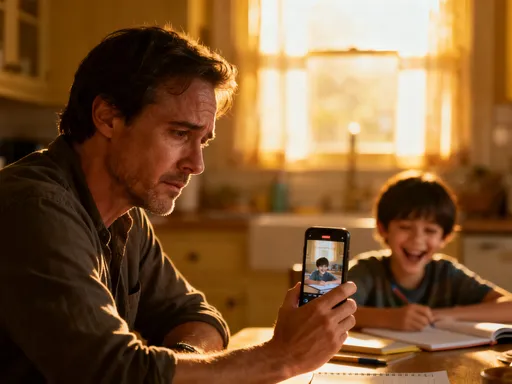
And when my husband got called for an unexpected business trip, I didn’t have to wonder if he locked the door. I checked the app. It showed he’d locked it at 7:15 a.m., just like always. And if he hadn’t? I could’ve locked it for him with one tap. That kind of flexibility—responding to life as it happens—is what makes this more than just a gadget. It’s peace of mind that moves with you.
Safety Without Sacrificing Simplicity
I get it. The word 'smart' can make people nervous. What if someone hacks it? What if the battery dies? What if the system crashes and I’m locked out?
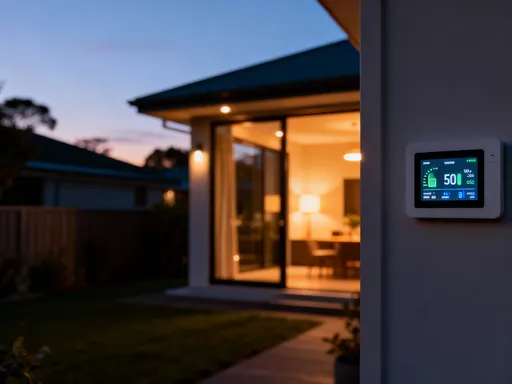
These are real concerns. But the truth is, modern smart locks are built with safety in mind—not just physical safety, but digital security too. The one we use encrypts every code, so it can’t be intercepted. It sends me alerts if someone tries to guess a code too many times. And if the battery starts running low? I get a notification days in advance. There’s even a low-battery warning sound at the door—soft, but noticeable.
And yes, there’s still a physical key option. It’s like seatbelts in a car. You hope you never need it, but it’s there just in case. We’ve never had to use it, but knowing it exists makes me feel safer. Because the best security isn’t about being impenetrable—it’s about being reliable. It’s about systems that work when you need them, even when things don’t go perfectly.
What I’ve learned is that safety isn’t just about keeping people out. It’s about letting the right people in—easily, securely, and without stress. It’s about knowing your child got home safely. That your parent let in the caregiver without struggling. That the repairman left and the house is locked again. That peace of mind isn’t loud or flashy. It’s quiet. It’s the absence of worry. And that’s exactly what we’ve found.
More Than a Lock—It’s a Part of Our Family Routine
I don’t think about the lock much anymore. And that’s the best compliment I can give it. It’s not a gadget I show off. It’s not something I troubleshoot. It’s just… there. Working. Supporting us.
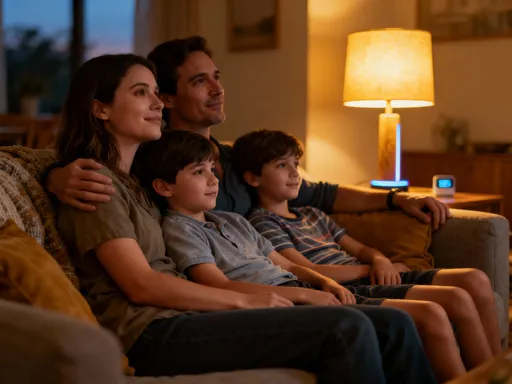
It’s in the way my daughter walks in after school, no longer calling to ask for the code. It’s in the way my mom visits without needing help. It’s in the quiet confidence that, no matter what happens, we’re covered. The lock doesn’t control our lives—it makes space for them.
It’s helped my kids grow into more responsible, independent people. They know their access has limits, and they respect them. It’s helped my aging parents maintain their autonomy, without putting their safety at risk. And it’s given me—honestly—more time to breathe. Fewer things to manage. Fewer worries to carry.
Technology doesn’t have to be flashy to be transformative. Sometimes, the most powerful tools are the ones that disappear into the background, doing their job so quietly that you forget they’re even there. This lock isn’t about being smart for the sake of it. It’s about being kind—to ourselves, to our families, to the messy, beautiful reality of everyday life.
So if you’re lying awake tonight, wondering if the door is locked, I want you to imagine something different. Imagine a home where security isn’t a chore. Where access isn’t a crisis. Where everyone you love can come and go with ease. That’s not a fantasy. It’s possible. And it starts with recognizing one simple truth: one size doesn’t fit all. But when you personalize it—when you build a system that fits your life, your people, your rhythm—then you’re not just locked in. You’re truly opened up.