What If Your Family’s Daily Videos Could Help You Get More Done?
Imagine juggling work deadlines, school runs, and dinner prep—while still feeling present for your kids’ little milestones. You’re not alone. Many of us record sweet moments on our phones, only to let them vanish into forgotten folders. But what if those everyday videos weren’t just memories, but tools that actually helped you manage time better? What if pressing record could make your life easier, not more chaotic? What if the same device you use to capture a child’s first bike ride could also help you remember the PTA meeting, track your teenager’s project deadline, or even cut down on daily stress? That’s not magic. It’s smart, gentle tech working quietly in the background of your real life.
The Overwhelm of Modern Family Life
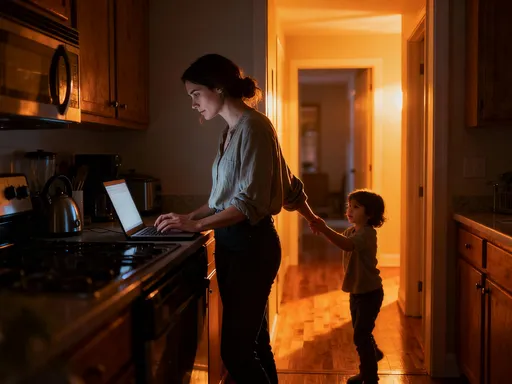
You know the feeling. You wake up already behind. The coffee’s barely brewed, and the kids are arguing over socks, backpacks are half-packed, and you’re mentally replaying yesterday’s work email while trying to pack lunches. You rush through breakfast, kiss foreheads on the fly, and wave from the driveway—all while wondering, Did I see that smile this morning? Did I really listen? By evening, you’re exhausted, scrolling through photos on your phone, realizing you missed the way your daughter explained her science project during dinner. And yet, you were there. Physically, at least.
The truth is, we’re not failing because we don’t care. We’re overwhelmed because we’re trying to do too much, too fast, with too little support. The myth of “having it all” has evolved into something quieter but just as exhausting: managing it all. We’re expected to be present parents, efficient workers, organized homemakers, and self-aware individuals—all while keeping up with laundry, school forms, doctor appointments, and the occasional grocery run. It’s no wonder so many of us feel stretched thin, like we’re running on fumes by Wednesday afternoon.
And here’s the irony: we’re more connected than ever, yet we often feel more disconnected—from our families, from ourselves, from the rhythm of our own lives. We’re constantly checking devices, responding to messages, and ticking off to-dos, but we’re not really seeing what’s in front of us. The moments that matter most slip by unnoticed, buried under a pile of mental clutter. But what if the very tool that sometimes distracts us—the smartphone—could actually help us slow down, reconnect, and get more done—without burning out?
How Video Diaries Quietly Transform Routines
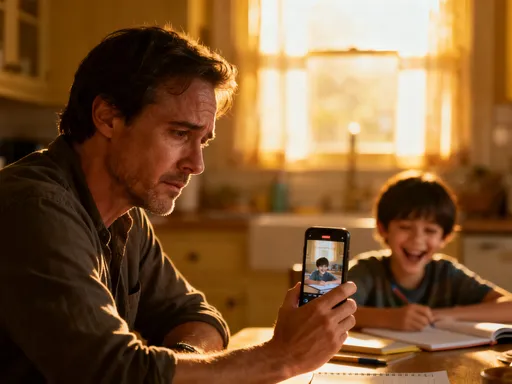
Let’s talk about something simple: the two-minute video. Not a polished reel, not a TikTok trend, just a quick clip of your son talking about his soccer game, your daughter showing off her drawing, or your partner saying good morning with sleepy eyes. These aren’t meant for an audience. They’re not for likes or comments. They’re for you, and your family. And here’s the surprising part: when you start recording these small moments regularly, something shifts. Your day begins to find its rhythm.
Think of it like this: life moves fast, but video slows it down. The act of pressing record—even for 30 seconds—creates a natural pause. It forces you to stop, look, and really see what’s happening. That pause becomes a tiny moment of mindfulness, a breath in the middle of chaos. And over time, these pauses start to shape your day. You begin to notice patterns. You realize you always forget your keys because they’re not in a consistent spot. You see that your teen rushes out the door because breakfast is too rushed. The video doesn’t fix it immediately, but it makes the problem visible.
And here’s the real magic: it doesn’t feel like work. Unlike adding another app or another checklist, filming a quick family moment feels natural, even joyful. It’s not another task—it’s a way of paying attention. You’re not documenting for perfection; you’re capturing for presence. And in doing so, you’re creating anchors—little moments that ground you throughout the day. That clip of your child laughing at breakfast? It becomes a touchstone. On a tough day, you can go back and remember: Oh yes, this is why I do this. But it also does something quieter: it helps you structure your time without even realizing it.
From Memory Keeping to Task Clarity
Here’s something most of us don’t expect: when you record your kids talking about their day, you’re also tracking their schedule. Let that sink in. That 90-second clip of your daughter excitedly explaining her diorama project? It’s not just a memory—it’s a visual reminder that the project is due in three days. You didn’t write it on a calendar, but now you see it. You hear her voice, see her eyes light up, and suddenly, the deadline feels real, urgent, personal.
This is where video goes from sentimental to strategic. Unlike text notes or calendar alerts, video carries emotion. And emotion is a powerful motivator. When you see your child’s face light up as they talk about their school play, you’re more likely to remember to buy the costume supplies—not because you were reminded, but because you care. The video links the task to the feeling, making follow-through feel natural, not robotic.
And it’s not just about kids’ activities. Imagine recording a quick family chat after dinner: “What’s everyone doing this week?” Your son mentions his spelling test, your daughter talks about her art show, your partner brings up a work trip. That 60-second clip becomes a shared reference point. No more “I told you that!” or “You never said!” moments. Everyone heard it. Everyone saw it. The video becomes your family’s living to-do list, embedded in real conversation. You don’t need to write it down—you can just rewatch it. And because it’s visual and emotional, you’re more likely to remember it.
Building a Shared Family Timeline
Most families operate on a patchwork of communication: texts, sticky notes, calendar alerts, and shouted reminders from different rooms. It works—sort of. But it’s fragile. A text gets missed. A note falls off the fridge. A calendar event is overlooked. And suddenly, someone’s forgotten their permission slip, or you’re scrambling to find a babysitter.
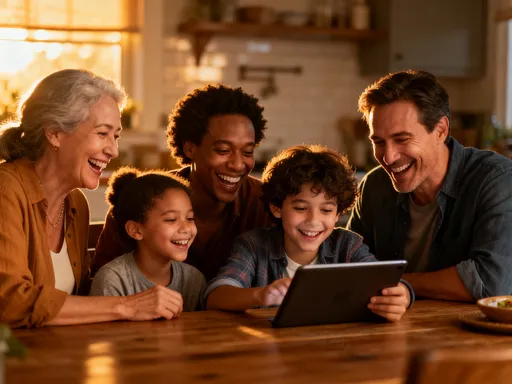
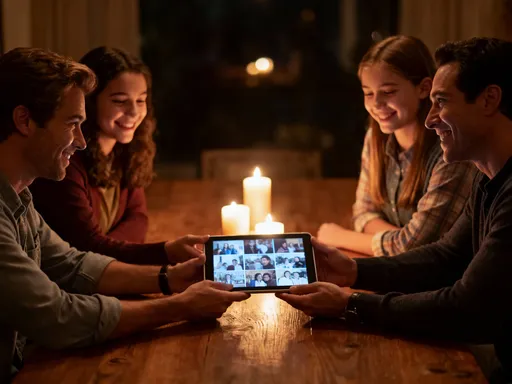
Now imagine if you had a single, shared space where all of this lived—not as dry text, but as real moments. A family video diary becomes that space. It’s not about posting online or creating content. It’s about creating continuity. Every morning, your child records a quick update: “Today’s my spelling test!” That 10-second clip gets saved in your family folder. You watch it while making coffee. Your partner sees it during lunch. No nagging, no repetition—just a shared awareness.
And the beauty is, everyone can participate. Your teenager might roll their eyes at first, but when they record themselves saying, “I packed my backpack, don’t worry,” and you actually believe them because you saw it, trust grows. Grandparents can watch updates from afar, feeling connected without needing a long phone call. Over time, this collection of clips becomes a timeline—not just of memories, but of progress. You can look back and see how far your child has come, not just in height or speech, but in responsibility, confidence, and routine.
This isn’t about surveillance. It’s about alignment. When everyone is on the same page—not because they were told, but because they saw it—life gets smoother. Misunderstandings decrease. Stress goes down. And you start to feel like a team, not just a collection of busy people sharing a house.
Reducing Mental Load with Visual Cues
Let’s talk about the invisible weight you carry: the mental load. It’s that constant hum in the back of your mind—Did I pay the bill? Did the kids finish their homework? Is there enough milk? Who has soccer practice tomorrow? It’s not the physical tasks that wear you out. It’s the remembering. The tracking. The anticipating. And research shows that this cognitive burden falls disproportionately on parents, especially mothers, even in households where chores are shared.
Here’s how video helps: it outsources that mental load. Instead of holding everything in your head, you can see it. A quick clip of your teen holding up their completed math worksheet? That’s proof. No need to ask, “Did you do your homework?” A 15-second video of your partner putting the laundry in the dryer? That’s confirmation. No more double-checking. These aren’t about control—they’re about trust and clarity.
And the relief is real. One mom I spoke with started using short videos to track chores. Her kids record a quick clip after finishing their tasks: “I fed the dog!” “I set the table!” She doesn’t have to remind, inspect, or nag. She just checks the folder when she has a free moment. “It’s like my brain can finally rest,” she said. “I don’t have to hold it all anymore.”
Visual cues are powerful because they’re immediate and undeniable. A text saying “I did it” can be ignored or forgotten. A video showing it? That’s evidence. And when you can see that something is done, your mind lets go. The mental load lightens. You stop worrying. You stop repeating yourself. And that frees up space—for patience, for presence, for joy.
Making Time by Slowing Down
Here’s a paradox: when you take a moment to record, you actually gain time. It sounds backwards, I know. We’re taught that efficiency means moving faster, doing more, cutting out the “extras.” But real efficiency isn’t speed—it’s flow. And sometimes, you need to slow down to find it.
When you press record, even for 30 seconds, you create a pause. That pause lets you notice things. You see that you always waste time looking for your keys because they’re not in a designated spot. You realize your morning routine is chaotic because breakfast is too rushed. You notice your child is anxious before school but you never had the space to talk—until now.
One working mom started recording her morning routine for a week—not to share, but to observe. What she saw surprised her: she spent 12 minutes every day searching for things—shoes, lunchboxes, permission slips. She also noticed she was talking to her kids while scrolling her phone, which made them repeat themselves. After watching the clips, she made small changes: a key hook by the door, a “no phones at breakfast” rule, a 5-minute morning check-in. Those tiny shifts saved her nearly an hour a week. Not because she worked harder—but because she watched.
Video becomes feedback. It shows you how you really live, not how you think you live. And from that awareness, real change happens. You stop doing things the same way just because that’s how you’ve always done them. You optimize—not with apps or spreadsheets, but with observation. And over time, those small efficiencies add up to real, meaningful time. Time to breathe. Time to connect. Time to just be.
A Smarter, Warmer Way to Stay on Track
At the end of the day, we don’t need more time. We need better anchors. We need ways to stay grounded in the midst of the whirlwind. And sometimes, the best tool isn’t a fancy app or a complicated system. It’s something simple, something we already have: our phones, our voices, our moments.
Family video diaries aren’t about performance. They’re not about creating perfect content or keeping up with anyone else. They’re about using technology in a way that serves your heart and your schedule. They help you remember what matters—not just deadlines and to-dos, but laughter, growth, connection.
And the best part? It’s sustainable. No editing. No pressure. No filters. Just real, unpolished moments that quietly organize your world. You don’t need to be a tech expert. You don’t need special equipment. You just need to press record.
So the next time you’re rushing through the morning, take three seconds. Point your phone. Say, “What’s one thing you’re excited about today?” Watch the smile. Save the clip. That small act does more than capture a memory. It centers you. It connects you. And yes, it helps you get more done—because when you’re present, when you’re aligned, when you’re not carrying the weight of a thousand invisible reminders, you move through your day with more clarity, more calm, and more joy.
You already have everything you need. Sometimes, the smartest technology isn’t about doing more. It’s about helping you live better—right where you are.