After 3 Data Breaches, I Found the One Produce App That Keeps My Family Safe
You know that sinking feeling when your phone pings with yet another "security alert" from an app you use every week? I felt it three times—each after ordering groceries online. It made me wonder: can we really trust fresh produce delivery apps with our data? What started as a simple dinner plan turned into a personal mission to find a platform that values safety as much as freshness. This is how I finally found peace of mind—one secure delivery at a time.
The Night My Dinner Order Exposed My Data
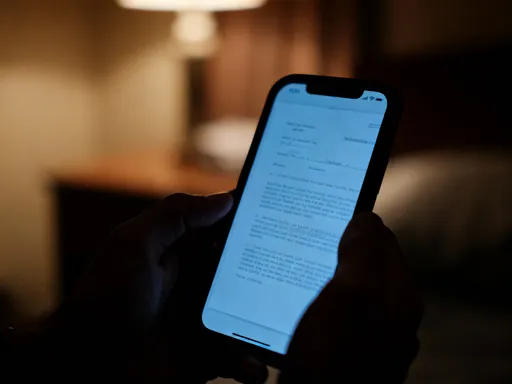
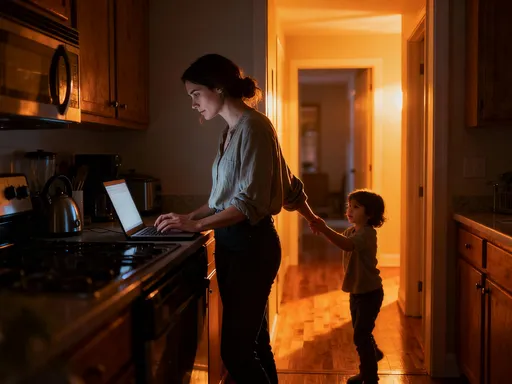
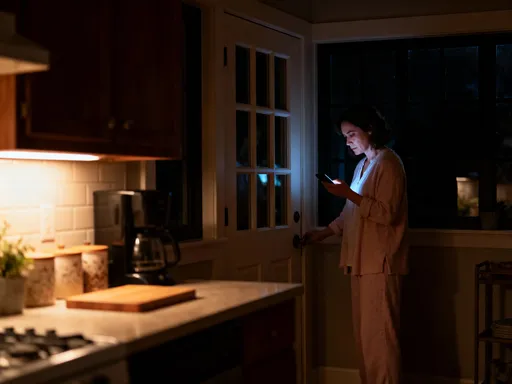
It was 9:47 PM. My youngest had just fallen asleep, and I was scrolling through dinner options while reheating leftovers. I opened my usual grocery delivery app, added our weekly staples—organic carrots, whole grain bread, almond milk, and the apples my daughter insists are "only the red crunchy kind"—and hit checkout. Within two minutes, my phone buzzed. Not a confirmation. Not a receipt. A red banner: "Unusual login detected. Was this you?"
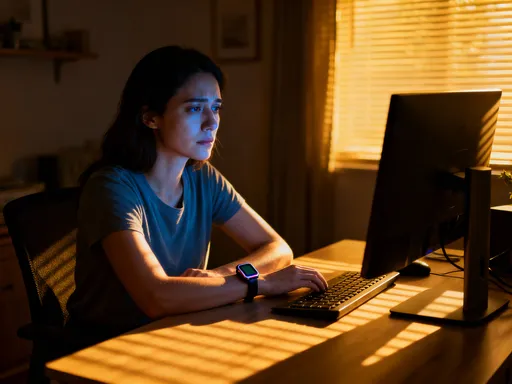
My stomach dropped. The login attempt came from a city I’d never visited. I hadn’t shared my password. I didn’t click any strange links. But there it was—someone, somewhere, trying to access my account minutes after I’d placed a simple grocery order. I changed my password immediately, but the unease lingered. This wasn’t the first time. A year earlier, I got a similar alert after using another popular fresh food app. And six months after that, a third. Three times. Three breaches. Three reminders that the very tools meant to make my life easier could also be putting my family at risk.
What scared me most wasn’t the idea of someone stealing $20 worth of groceries. It was what they already knew. My home address. My kids’ names, mentioned in special instructions like "Please leave at side door—Sophie’s school project is drying there." My credit card on file. My weekly delivery pattern—every Tuesday at 9 PM, like clockwork. Even the fact that I buy gluten-free pasta every other week because my husband feels better without it. All of it—stored, shared, and possibly exposed.
Why Fresh Food Apps Are a Hidden Data Target
We don’t think of grocery apps as high-risk. They’re for avocados and oat milk, not bank transfers. But the truth? They’re a goldmine for hackers. Think about it: every time you order fresh produce, you’re sharing intimate details about your household. How many people live with you? What time do you usually eat? Do you buy baby food, allergy-safe snacks, or senior-friendly meals? All of this builds a behavioral profile—something cybercriminals can use to impersonate you, guess your answers to security questions, or even predict when your house might be empty.
One expert I spoke with, a cybersecurity consultant who works with hospitals, put it plainly: "Hackers don’t need your Social Security number right away. They start with the small stuff—your delivery habits, your phone number, your email patterns. Then they combine it. That’s how phishing scams become believable. That’s how fake calls from "your bank" suddenly know your grocery budget."
And it’s not just the app itself. Many fresh food platforms partner with third-party delivery services, local farms, or marketing companies. In the fine print of one app I used, I discovered my data could be shared with "trusted local partners" for "service improvement." But who are these partners? How do they protect my information? Are they encrypting it? Training their staff? We rarely ask, because we’re focused on convenience—getting dinner on the table without driving to the store.
But convenience has a cost. And for families, that cost isn’t just financial. It’s emotional. It’s the worry that someone out there knows when we’re home, what we eat, and how we live. That’s not the kind of connection we want with strangers.
I Tested 7 Apps—Here’s What Most Get Wrong
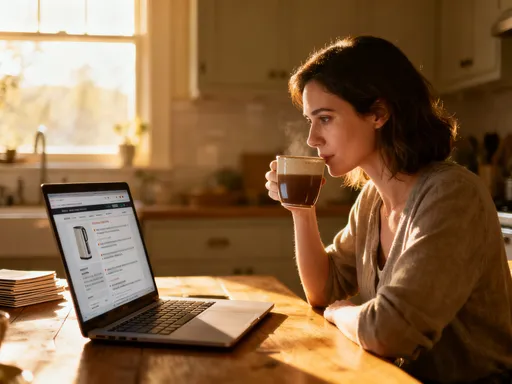
After the third breach, I decided enough was enough. I wasn’t going to wait for something worse to happen. I downloaded seven of the most popular fresh produce delivery apps—some national, some local, a few farm-to-door startups. I created new email addresses for each, used different payment methods, and tested them over two months. I ordered everything from organic spinach to frozen berries, just to see how each platform handled security.
What I found was unsettling. One app sent my password in a plain text email after signup. Another saved my credit card by default, with no option to disable auto-save. A third used SMS for two-factor authentication—but sent the code within seconds of login, making it useless if my phone was stolen. And one, shockingly, allowed me to reset my password with just my email and birthdate—information I’ve posted on social media for years.
But the worst part wasn’t the weak tech. It was the lack of transparency. One app’s privacy policy was 18 pages long, full of legal jargon. Buried on page 12, I found a clause saying my data could be used for "targeted advertising partnerships." A week after signing up, I started getting calls from a meal prep company I’d never heard of. "We saw you like organic vegetables," the caller said. "Would you like a discount on our weekly boxes?" Coincidence? I don’t think so.
Another app had no option to delete my order history. Even after I canceled my account, my past purchases—down to the brand of hummus I bought last March—were still stored. Why? Who had access? I called customer support. The rep couldn’t tell me. "It’s automatically archived," she said. "We don’t delete anything." That didn’t make me feel safe. It made me feel watched.
I realized then that most of these apps treat security like an afterthought. They focus on speed, selection, and low prices—but not on protecting the people who use them. And for busy moms, that’s a problem. We’re not just buying groceries. We’re managing households, feeding families, and trying to keep everything running smoothly. The last thing we need is to become amateur cybersecurity experts just to order broccoli.
The Turning Point: A Nurse’s Warning About App Safety
One Sunday afternoon, I was on the phone with my sister, Rachel. She’s a nurse at a children’s hospital and has seen more than her share of stress—both from patients and from hospital systems. I mentioned the breaches, half-joking about how maybe I should just go back to paper lists and in-store shopping.
She didn’t laugh. Instead, she said something that stayed with me: "You know, most patient data leaks don’t start in the hospital. They start with things like food delivery apps, fitness trackers, even smart thermostats. Hackers don’t break into medical records directly. They find the weak link—like a grocery account with your name, address, and phone number—and use that to guess passwords or launch phishing attacks. They don’t steal your name. They steal your pattern. And once they have that, they can pretend to be you."
I hung up and sat at my kitchen table, staring at my phone. My pattern. The Tuesday night orders. The same delivery window. The notes about school projects and dinner plans. It wasn’t just data. It was a map of my life. And I’d been handing it out like coupons.
Rachel’s words changed how I saw digital safety. It wasn’t just about tech. It was about care. Just like I wash strawberries before my kids eat them, just like I check expiration dates on milk, I needed to protect the digital parts of our routine. Not because I’m paranoid, but because I’m a mom. Because my family’s safety—online and off—matters.
That week, I deleted four of the seven apps. I turned on privacy alerts on my phone. I started using a password manager. And I made a promise to myself: no more trading convenience for security. Not when it comes to my family.
How One App Stood Out: Simplicity, Transparency, Trust
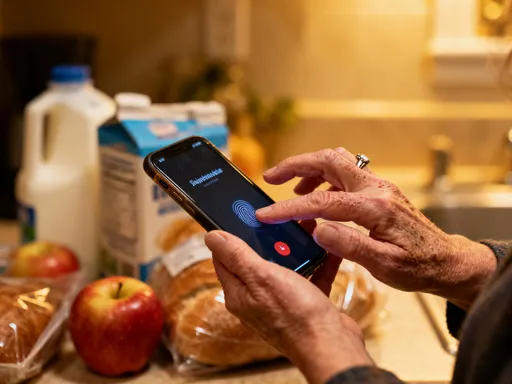
Out of the seven, only one felt different from the start. The first thing I noticed? It didn’t ask for my full birthdate or security questions. Instead, it used biometric login—fingerprint or face scan. No password to guess, no reset links to fake. Just me, unlocking my account like I do my phone.
When I added a payment method, it didn’t save my card number. Instead, it used tokenization—a tech term I had to look up, but basically means your real card info is replaced with a secure code. Even if someone hacked the system, they wouldn’t get my actual number. And the app explained this—in plain English, right on the screen. Not in a 20-page policy. Not in tiny font. But clearly: "Your card is protected. We never store your number."
What really won me over was the privacy dashboard. I could see every permission I’d granted—location, notifications, contact access—and turn them off with one tap. I could delete old orders, clear my search history, and even pause data sharing with third parties. And if I wanted to delete my account? It took three clicks. No tricks. No "Are you sure?" pop-ups that wouldn’t go away.
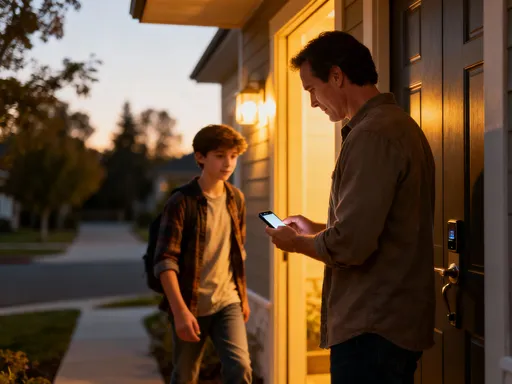
But the moment I knew this was different was when I got a login alert—not because of a breach, but because I’d logged in from a new device. The notification said: "New sign-in from iPad. Was this you?" I tapped "No," and the account locked instantly. I had to verify with my fingerprint and email to get back in. It wasn’t perfect—no system is—but it felt like the app was watching out for me, not just selling me groceries.
And the best part? It didn’t feel cold or robotic. The interface was clean, warm, with photos of real farms and farmers. The delivery notes were thoughtful—"Your kale is from Green Hill Farm, harvested this morning." No spam. No calls. No weird ads. Just fresh food, delivered safely—both to my door and to my peace of mind.
What I Learned About Building Real Digital Safety
Finding that one trustworthy app didn’t solve everything. I realized security isn’t a one-time fix. It’s a habit—like brushing your teeth or locking the back door. So I started small. I created a second email address just for shopping apps. That way, if one gets compromised, my main inbox—and all my family photos, school forms, and doctor appointments—stays safe.
I turned on login alerts for every account that offers them. Now, if someone tries to access my grocery app from another device, I know within seconds. I also started reviewing app permissions monthly. Do I really need to let the produce app access my contacts? Probably not. Location? Only during delivery. I revoked what I didn’t need.
And I talked to my teens about it. We had a family chat over pizza—no screens, just us. I told them about the breaches, the calls, the feeling of being watched. I showed them a fake phishing text I’d received: "Your grocery order is delayed. Tap here to reschedule." It looked real. But the link went to a strange website. "This," I said, "is how it starts." They rolled their eyes—of course they did—but I saw them pause before clicking links after that.
I also learned to read the privacy summary before downloading anything. Not the full policy—life’s too short—but the short version most apps now provide. If it says "shares data with partners" or "uses your info for ads," I skip it. If it says "end-to-end encryption" or "you control your data," I pay attention.
These steps don’t make me a tech genius. But they make me a safer mom. And that’s what matters.
Peace of Mind Is the Most Important Ingredient
Today, I order groceries without that knot in my stomach. No more double-checking alerts, no more changing passwords every few weeks. I use one app—one that respects my time, my family, and my privacy. And when the delivery arrives, I don’t just see bags of food. I see peace. I see trust. I see the quiet confidence that comes from knowing we’re safe.
Digital safety isn’t just about avoiding danger. It’s about reclaiming joy. Because when we’re not worried, we cook with more creativity. We try new recipes. We invite friends over. We laugh at the table instead of scrolling through alerts. Technology should make life better, not heavier. It should serve us, not stress us.
And sometimes, the most powerful upgrade isn’t faster delivery or cheaper prices. It’s knowing your family’s routine isn’t for sale. It’s feeling secure in the small moments—like ordering carrots on a Tuesday night—because you’ve taken care of the invisible things.
So if you’ve ever hesitated before hitting "checkout," if you’ve ever wondered who’s really behind that grocery app, I get it. You’re not overreacting. You’re paying attention. And that’s the first step. Start small. Look for transparency. Choose trust over speed. Because the safest kitchen isn’t just clean and organized. It’s protected—in every way that matters.