Why I Never Skip This 4-Move Routine at 50 — And You Shouldn’t Either
Turning 50 hit me harder than I expected—stiff joints, low energy, that slow creep of frailty. I knew I had to act, not just age. After testing countless routines, I found four science-backed exercises that actually reverse decline. This isn’t about looking younger; it’s about being stronger, more mobile, more alive. No gym required. Just 15 minutes a day. Let me show you the simple plan that changed how I move, feel, and live—backed by experts, proven by results.
The Hidden Crisis of Aging Muscles
As we pass the milestone of 50, many of us notice subtle but significant changes in how our bodies function. Doors feel heavier to open, stairs become harder to climb, and getting up from a chair requires more effort than it once did. These shifts are not simply signs of getting older—they are symptoms of a condition known as sarcopenia, the age-related loss of muscle mass and strength. While aging plays a role, research shows that muscle decline begins as early as our 30s, with adults losing between 3% and 8% of their muscle mass each decade. For women, this process can accelerate after menopause due to hormonal changes that affect muscle protein synthesis.
Sarcopenia is more than just a cosmetic concern. It directly impacts balance, increases the risk of falls, slows metabolism, and diminishes independence. A study published in the Journal of the American Medical Directors Association found that low muscle mass is strongly associated with reduced mobility and higher rates of disability in older adults. The consequences extend beyond physical ability—loss of strength can erode confidence, limit social engagement, and affect emotional well-being. Yet, one of the most empowering truths about sarcopenia is that it is not inevitable. Unlike some aspects of aging, muscle loss is largely modifiable through targeted physical activity.
What’s often misunderstood is that time alone isn’t the main driver of muscle decline—lifestyle is. Sedentary behavior, poor nutrition, and lack of resistance training accelerate the process, while consistent movement and strength-building can significantly slow or even reverse it. The human body operates on a “use it or lose it” principle, especially when it comes to muscle tissue. When muscles are challenged, they adapt and grow stronger. When neglected, they atrophy. This means that even small, daily efforts to engage the major muscle groups can have a profound effect on long-term function and quality of life. The good news? You don’t need hours at the gym or expensive equipment to make a difference. What matters most is consistency, proper form, and targeting the right movements.
Why Most Exercise Advice Falls Short
When it comes to staying active after 50, most people hear the same advice: “Walk more,” “stay active,” or “do some cardio.” While these suggestions have merit, they often fall short of addressing the real challenges of aging. Walking, for example, is excellent for heart health and joint mobility, but it does little to combat muscle loss or improve functional strength. Cardiovascular exercise alone cannot preserve bone density, enhance balance, or maintain the ability to lift, carry, or rise from the floor—skills that are essential for independent living. The gap in mainstream fitness guidance lies in its failure to prioritize functional fitness, which is the ability to perform everyday activities safely and efficiently.
Many popular workout trends also miss the mark for middle-aged and older adults. High-intensity interval training (HIIT), while effective for younger populations, can be too stressful on joints and the cardiovascular system for those just returning to fitness. Similarly, complex routines with specialized equipment may be inaccessible or intimidating. What aging bodies truly need is not intensity, but intelligent movement—exercises that build strength, improve posture, support joint stability, and enhance neuromuscular coordination. These elements are critical for preventing falls, reducing chronic pain, and maintaining mobility well into later years.
Another common oversight is the lack of focus on spinal health and core control. Poor posture, often dismissed as a normal part of aging, is actually a sign of weakening postural muscles. Slouching increases strain on the lower back, compresses internal organs, and reduces lung capacity. Yet, most fitness advice doesn’t emphasize exercises that strengthen the deep core and back extensors. Similarly, bone density—a major concern for women over 50—is best supported by weight-bearing and resistance activities, not just calcium intake. Without these targeted efforts, even active individuals may find themselves losing ground in strength and stability.
The truth is, not all movement is created equal when it comes to aging well. What’s needed is a strategic approach—one that focuses on foundational movements that mimic real-life actions and address the specific physiological changes of midlife and beyond. This is where a simple, science-backed routine can make all the difference. Instead of chasing trends or pushing for exhaustion, the goal should be sustainability, safety, and long-term function. The four moves introduced in this article are designed with exactly that in mind: practical, effective, and accessible to nearly everyone, regardless of current fitness level.
The Four Foundational Moves That Actually Work
After years of trial and error, and guided by insights from physical therapists and exercise physiologists, I settled on a four-move routine that delivers measurable results without complexity. These exercises target the key areas most affected by aging: lower-body strength, core stability, upper-body endurance, and balance. Best of all, they require no equipment, can be done at home, and take just 15 minutes a day. The routine consists of the bodyweight squat, bird-dog, wall push-up, and heel raise. Each movement is designed to be scalable, meaning you can adjust the difficulty based on your current ability, making it ideal for beginners and those with joint sensitivities.
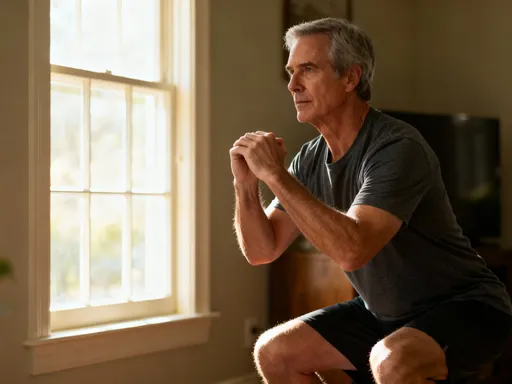
The first move, the bodyweight squat, builds power in the hips, glutes, and thighs—muscle groups essential for standing, walking, and climbing stairs. To perform it correctly, stand with feet shoulder-width apart, toes slightly turned out. Imagine you’re sitting back into a chair: lower your hips by bending your knees and pushing your buttocks backward. Keep your chest lifted and your knees aligned over your toes—never letting them cave inward. Lower as far as comfortable, then press through your heels to return to standing. This movement strengthens the entire lower body while improving joint mobility and coordination. For those with knee concerns, only go as low as feels safe, or practice sitting and standing from a sturdy chair to build confidence.
The second exercise, the bird-dog, is a gentle yet powerful way to improve spinal stability and core control. Begin on your hands and knees with your wrists under your shoulders and knees under your hips. Engage your abdominal muscles as if bracing for a light punch. Slowly extend your right arm forward while simultaneously extending your left leg straight back. Keep your hips level and avoid twisting or sagging. Hold for a few seconds, then return to the starting position and repeat on the opposite side. This movement enhances balance, reduces lower back strain, and strengthens the deep stabilizing muscles of the spine. It also improves neuromuscular communication—your brain’s ability to coordinate movement—which is crucial for preventing falls.
The third move, the wall push-up, offers a safe and effective way to build upper-body strength without putting stress on the shoulders or wrists. Stand facing a wall, arms extended at shoulder height, palms flat against the surface. Step your feet back so your body forms a slight diagonal. Bend your elbows to bring your chest toward the wall, then push back to the starting position. This modified push-up strengthens the chest, shoulders, and triceps—muscles needed for pushing, lifting, and daily tasks like getting out of a car or opening heavy doors. As strength improves, you can progress to incline push-ups (using a countertop) and eventually floor push-ups, but the wall version is perfect for maintaining consistency and proper form.
The final move, the heel raise, targets the calf muscles and supports ankle stability and balance. Stand with feet hip-width apart, holding onto a counter or wall for support if needed. Slowly rise onto your toes, lifting your heels as high as possible. Pause briefly at the top, then lower back down with control. This movement strengthens the lower legs, improves circulation, and enhances proprioception—the body’s awareness of its position in space. Strong calves are essential for walking efficiency and fall prevention, especially on uneven surfaces. For added challenge, try doing heel raises one leg at a time, but always prioritize balance and safety.
How These Moves Target Aging at the Cellular Level
While the benefits of these exercises are visible in improved strength and mobility, their impact runs much deeper—down to the cellular and molecular level. Regular resistance and stability training do more than build muscle; they influence how our cells function and regenerate. One of the most important effects is on mitochondrial health. Mitochondria are the energy-producing structures within our cells, often referred to as the “powerhouses.” With age, mitochondrial efficiency declines, leading to fatigue and reduced physical performance. However, studies show that strength training stimulates mitochondrial biogenesis—the creation of new mitochondria—helping cells produce energy more efficiently and combat age-related fatigue.
Another critical mechanism is muscle protein synthesis, the process by which the body repairs and builds muscle tissue. After age 40, the body becomes less responsive to the signals that trigger this process, a phenomenon known as “anabolic resistance.” However, resistance exercise is one of the most effective ways to overcome this resistance. When muscles are challenged through movements like squats and push-ups, they send biochemical signals that activate protein synthesis, helping to rebuild and strengthen muscle fibers. Over time, this leads to increased muscle mass and improved metabolic rate, which supports healthy weight management and reduces the risk of insulin resistance.
These exercises also influence key growth factors that support overall health. For example, insulin-like growth factor 1 (IGF-1) increases in response to strength training and plays a role in tissue repair and muscle growth. Similarly, brain-derived neurotrophic factor (BDNF)—often called “fertilizer for the brain”—is boosted by physical activity and supports cognitive function, memory, and mood regulation. While these changes may sound technical, their real-world impact is clear: better energy, sharper thinking, and a stronger body. Think of these movements as tuning your body’s internal engine, ensuring all systems run smoothly and efficiently.
Additionally, regular movement helps regulate inflammation and supports bone health. Chronic low-grade inflammation is linked to many age-related conditions, including arthritis and heart disease. Exercise has been shown to reduce inflammatory markers such as C-reactive protein (CRP). At the same time, weight-bearing activities like heel raises and squats stimulate bone remodeling, increasing density and reducing the risk of osteoporosis. Together, these biological benefits create a powerful foundation for healthy aging—one that goes far beyond appearance and speaks to long-term vitality and resilience.
Building a Sustainable Daily Habit
Knowing which exercises to do is only half the battle; the real challenge lies in making them a consistent part of daily life. The beauty of this 4-move routine is its simplicity and accessibility. You don’t need special clothes, a gym membership, or even much time. The entire sequence takes about 15 minutes and can be done in your living room, kitchen, or backyard. To build a lasting habit, it helps to anchor the routine to an existing behavior. For example, doing the exercises right after brushing your teeth in the morning creates a natural cue and reduces the need for motivation. Others find success by pairing the routine with a daily break—after lunch, before dinner, or after a long period of sitting.
A recommended structure is to perform 3 sets of 10 to 12 repetitions for each exercise, resting for 30 to 60 seconds between sets. If that feels too challenging at first, start with 1 set and gradually build up. The goal is not to exhaust yourself but to create a sustainable practice that you can maintain for years. Progress doesn’t come from intensity; it comes from consistency. Over time, you’ll notice subtle improvements—less stiffness in the morning, easier movement during daily tasks, and greater confidence in your body’s abilities.
Motivation often comes from tracking small wins. Keep a simple journal or calendar and mark each day you complete the routine. Note how you feel—do stairs feel easier? Can you carry groceries without setting them down? These real-life improvements are more meaningful than any number on a scale. As strength builds, you can increase the challenge by slowing down the movements, adding a brief pause at the bottom of a squat, or using resistance bands for added load. But even without progression, the basic routine delivers lasting benefits.
One of the most powerful aspects of this habit is how it shifts your relationship with your body. Instead of viewing aging as a decline, you begin to see it as a process you can influence. Each day you move, you send a message to your muscles, bones, and brain that they are still valued and needed. This mindset shift—toward agency and self-care—is just as important as the physical benefits. Over time, the routine becomes less of a chore and more of a personal promise to stay strong, mobile, and independent.
Real-Life Benefits Beyond the Mirror
The true measure of fitness after 50 isn’t how you look in a mirror—it’s how you move through the world. Strength isn’t just about muscle definition; it’s about function, freedom, and confidence. Consider the everyday tasks that become easier with consistent strength training: carrying a suitcase through the airport, playing with grandchildren on the floor, gardening without back pain, or simply getting up from a dining chair without using your hands. These are the moments that define quality of life, and they are directly supported by the four foundational moves in this routine.
Improved balance and leg strength reduce the risk of falls, one of the leading causes of injury in older adults. According to the Centers for Disease Control and Prevention, one in four Americans aged 65 and older falls each year, often resulting in fractures or loss of independence. By strengthening the muscles that support stability—the glutes, calves, and core—this routine helps build a stronger foundation for movement. Even something as simple as the bird-dog exercise enhances coordination and body awareness, making it easier to recover from a stumble.
Upper-body strength from wall push-ups makes daily activities like opening jars, reaching for high shelves, or pushing a lawnmower more manageable. Strong arms and shoulders also support better posture, reducing neck and back pain caused by slouching. Meanwhile, heel raises improve ankle stability, which is essential for walking on uneven sidewalks or hiking on trails during travel. These benefits add up, allowing you to participate fully in life without limitations.
Perhaps most importantly, this routine fosters a sense of self-reliance. The ability to get up from the floor unassisted, carry your own bags, or help a friend move furniture is empowering. It reinforces the idea that you are capable, strong, and in control of your body. This confidence extends beyond physical ability—it influences how you show up in relationships, work, and social settings. When you feel strong, you stand taller, speak with more assurance, and engage with the world more fully. Strength, in this sense, is not just physical—it is emotional and psychological as well.
When to Consult a Professional and Stay Safe
While this routine is designed to be safe and accessible for most people, it’s important to listen to your body and seek professional guidance when needed. If you have chronic conditions such as heart disease, osteoporosis, arthritis, or recent injuries, consult your healthcare provider before beginning any new exercise program. A physical therapist or certified fitness professional can help tailor the movements to your specific needs, ensure proper form, and suggest modifications to prevent strain.
One of the most common mistakes people make is pushing too hard too soon. Pain is not a sign of progress—it’s a warning. If you experience sharp pain, joint discomfort, or dizziness during any of these exercises, stop immediately and reassess. Modifications are not a sign of weakness; they are a sign of wisdom. For example, if a full squat is uncomfortable, practice partial range-of-motion or use a chair for support. If wall push-ups strain your wrists, try performing them with fists instead of flat palms or use an incline surface to reduce load.
It’s also important to progress at your own pace. Some may advance quickly, while others need more time to build strength and confidence. The goal is not to match someone else’s pace but to honor your body’s unique journey. Regular check-ins with a professional can help you stay on track and avoid injury. Additionally, combining this routine with other healthy habits—such as balanced nutrition, adequate sleep, and stress management—creates a comprehensive approach to aging well.
Finally, remember that consistency matters more than perfection. Missing a day doesn’t mean failure; it means you’re human. What counts is returning to the routine with kindness and commitment. By prioritizing safety, listening to your body, and seeking support when needed, you create a sustainable practice that supports lifelong health and independence.
Summarize the power of consistency over intensity; reframe aging as a process we can influence. Reinforce that these four moves are not a cure but a proven, accessible way to stay strong, mobile, and self-reliant. End with a forward-looking message: aging isn’t about stopping time, but moving well through it.