How I Tamed My Blood Pressure with Everyday Moves That Actually Work
High blood pressure creeps up silently, but I didn’t want medication to be my only answer. After my doctor’s warning, I started small—walking more, stretching daily, and tracking how I felt. Within weeks, my numbers began to shift. This isn’t a miracle cure, but real progress through consistent, simple exercise. If you're looking for natural ways to support your heart, what worked for me might help you too—always alongside professional care.
The Wake-Up Call: When My Blood Pressure Crossed the Line
It happened during a routine checkup. I had gone in for a physical, expecting nothing more than a clean bill of health. At 47, I considered myself fairly active—cooking meals at home, walking the dog, gardening on weekends. But when the nurse called out the numbers—148 over 94—I felt a quiet jolt. That was stage 1 hypertension, she explained calmly. My doctor confirmed it wasn't an anomaly. He said I wasn’t alone; nearly half of adults in the U.S. have high blood pressure, and many don’t even know it.
What unsettled me most was how invisible it all felt. There were no warning signs—no headaches, no dizziness, no sudden fatigue. Yet behind the scenes, my arteries were under constant strain. Uncontrolled high blood pressure increases the risk of heart attack, stroke, and kidney disease over time. The realization hit hard: just because I felt fine didn’t mean my body was. My doctor didn’t rush to prescribe medication, but he made one thing clear—lifestyle changes needed to start now.
I left the office with a mix of concern and determination. I didn’t want to jump straight into pills if I could help it, not without first trying what I could control. Diet, stress, sleep, and movement—all were within reach. I decided to focus on exercise first, not because it was the easiest, but because it offered immediate feedback. I could feel my energy shift, notice my breathing deepen, and eventually, see my numbers respond. It became my starting point, a quiet rebellion against complacency.
Why Exercise? The Science Behind Movement and Blood Pressure
Understanding why physical activity helps lower blood pressure made all the difference in sticking with it. At its core, high blood pressure means the force of blood pushing against artery walls is consistently too high. Over time, this damages the delicate lining of blood vessels and makes the heart work harder than it should. But regular movement changes that equation in powerful, measurable ways.
When you engage in consistent physical activity, your heart becomes stronger. A stronger heart can pump more blood with less effort, which directly reduces the force on your arteries. This is especially true for aerobic exercises like walking, swimming, or cycling. These activities train the cardiovascular system to become more efficient. Studies show that people who perform moderate-intensity aerobic exercise for at least 150 minutes per week can reduce their systolic blood pressure by an average of 5 to 8 mm Hg—a significant drop that rivals some medications.
Exercise also improves the function of the endothelium, the thin layer of cells lining your blood vessels. Healthy endothelial cells help blood vessels relax and expand when needed, a process called vasodilation. In people with high blood pressure, this function is often impaired. Physical activity boosts nitric oxide production, a molecule that signals blood vessels to widen, improving circulation and reducing resistance.
Another key factor is arterial stiffness. As we age, arteries naturally lose some of their elasticity. But sedentary lifestyles accelerate this process. Regular movement, especially dynamic and rhythmic types of exercise, helps maintain flexibility in the arteries. Additionally, physical activity reduces levels of stress hormones like cortisol and adrenaline, both of which can constrict blood vessels and raise blood pressure during periods of chronic stress. The effect is cumulative—each walk, each stretch, each session of light resistance work contributes to a calmer, more resilient cardiovascular system.
Walking: The Underrated Power Move Everyone Can Do
If there’s one exercise that changed everything for me, it’s walking. It sounds too simple to be effective, but its impact is backed by decades of research. I began with just ten minutes after dinner, lacing up my shoes while the family watched TV. At first, it felt like a chore. But soon, those short strolls became something I looked forward to—a time to clear my head, listen to music, or simply enjoy the evening air.
Within three weeks, I noticed changes. My legs felt stronger. I wasn’t winded climbing stairs. And when I checked my blood pressure at home, the numbers had dipped—systolic down by 7 points. Encouraged, I gradually increased my walks to 30 minutes most days. The American Heart Association recommends at least 150 minutes of moderate-intensity aerobic activity per week, and walking fits perfectly into that guideline. What made it sustainable was how accessible it was—no gym membership, no special equipment, no learning curve.
I learned a few tricks along the way. Walking at a brisk pace—where you can talk but not sing—ensures you’re working at the right intensity. I started tracking my steps using a basic pedometer, aiming for 7,000 to 10,000 steps daily. On rainy days, I walked laps around the mall or paced the hallway while listening to audiobooks. I also discovered the benefit of post-meal walks. A 10- to 15-minute walk after breakfast, lunch, or dinner helped moderate blood sugar spikes, which in turn supported better vascular function.
Beyond the numbers, walking improved my sleep and reduced afternoon fatigue. It gave me a sense of control. Some days, I walked alone for reflection; other days, I invited a friend or called my sister on the phone. The rhythm of movement became a form of moving meditation, quieting mental chatter and easing tension. For anyone starting out, I recommend beginning with what feels manageable—even five or ten minutes counts. Consistency matters far more than speed or distance.
Strength Training: Not Just for Gym Lovers
At first, the idea of strength training intimidated me. Images of heavy weights, grunting lifters, and complex machines flashed through my mind. I assumed it was risky for someone with high blood pressure. But my doctor reassured me—when done properly, moderate resistance training is not only safe but beneficial. In fact, research shows that regular strength training can lower resting systolic pressure by 2 to 3 mm Hg over time, especially when combined with aerobic exercise.
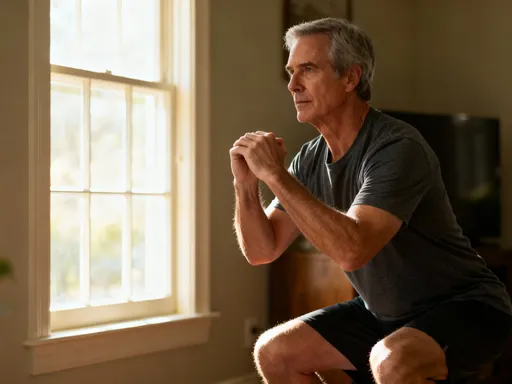
The key is moderation and technique. I started with bodyweight exercises at home—no gym required. Simple movements like wall push-ups, chair squats, and standing calf raises built foundational strength without strain. I focused on form: keeping my back straight, breathing steadily, and avoiding holding my breath, which can cause temporary spikes in pressure. I did two sessions per week, never on consecutive days, allowing muscles time to recover.
After a few weeks, I added light dumbbells—just 3- and 5-pound weights—and resistance bands. These tools made it easy to target major muscle groups: legs, arms, shoulders, and core. A typical routine included 10 to 12 repetitions of each exercise, completing one or two sets. For example, I’d do bicep curls while standing, seated shoulder presses, and glute bridges lying on the floor. The movements were slow and controlled, emphasizing muscle engagement over speed.
What surprised me was how quickly I noticed functional improvements. Carrying groceries felt easier. Getting up from the floor or lifting a suitcase required less effort. My posture improved, and I felt more stable on my feet. Strength training wasn’t about building muscle for appearance—it was about building resilience. Over time, my resting heart rate decreased, and my blood pressure readings showed more stability, especially in the mornings.
Flexibility and Breathing: The Hidden Heroes of Heart Health
When I first heard that stretching and breathing could affect blood pressure, I was skeptical. But the more I learned, the more it made sense. Chronic tension—both physical and mental—contributes to elevated blood pressure. Tight muscles, shallow breathing, and constant low-grade stress keep the sympathetic nervous system, the body’s “fight-or-flight” mode, in overdrive. Flexibility and controlled breathing help shift the balance back toward calm.
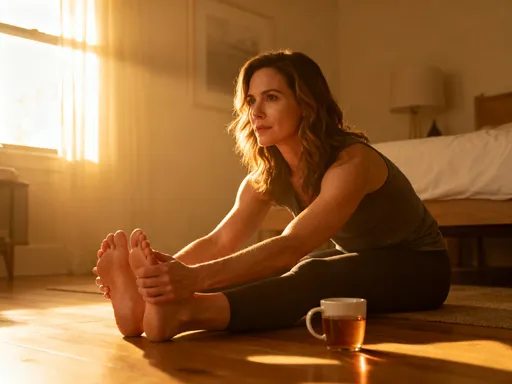
I began incorporating static stretching into my mornings and evenings. Static stretching involves holding a position for 15 to 30 seconds to gently lengthen muscles. I focused on major areas: hamstrings, calves, shoulders, and neck. Each stretch was mild—never painful—just enough to feel a gentle pull. I found that doing this after a short walk, when muscles were warm, made the stretches more effective and comfortable.
Even more impactful was diaphragmatic breathing, also known as belly breathing. Instead of shallow chest breathing, I learned to inhale deeply through the nose, letting the abdomen rise, then exhale slowly through the mouth. I practiced for five minutes twice a day—once in the morning and once before bed. This simple act triggered the parasympathetic nervous system, the body’s “rest-and-digest” mode, helping to lower heart rate and relax blood vessels.
I created a short routine: seated comfortably, back supported, eyes closed. I’d inhale for four counts, hold for two, and exhale for six. Repeating this for five minutes created a noticeable sense of calm. On stressful days, I used it as a reset. Over time, I noticed my baseline tension decreased. My shoulders stayed lower, my jaw relaxed, and my nighttime readings improved. These practices didn’t replace other forms of exercise, but they complemented them beautifully, creating a holistic approach to heart health.
Putting It All Together: Building a Realistic Weekly Plan
With walking, strength training, and flexibility exercises in my toolkit, I needed a plan that fit my life. I didn’t want to feel overwhelmed or rigid. The goal wasn’t perfection—it was consistency. I designed a weekly schedule that balanced variety with sustainability, allowing room for rest and flexibility.
My typical week looked like this: Monday, Wednesday, and Friday included 30-minute brisk walks, either in the morning or after dinner. On Tuesday and Thursday, I did 20 minutes of strength training at home, alternating between upper and lower body exercises. Saturday was a longer walk—sometimes 45 minutes—and Sunday was a rest day, though I still did my five-minute morning and evening stretching and breathing routine.
What kept me on track wasn’t willpower—it was habit and enjoyment. I paired walks with podcasts or music I loved. I scheduled strength sessions at the same time each week, treating them like appointments. I involved my husband on weekends, turning walks into shared time. When motivation dipped, I reminded myself why I started: not to look a certain way, but to feel stronger, live longer, and protect my heart.
I also learned to listen to my body. Some days, I shortened a walk or skipped strength training if I felt unusually tired. Pushing too hard could backfire—sudden intense exertion can temporarily raise blood pressure, especially in those just starting out. The key was steady, gradual progress. I celebrated small wins: a lower reading, a walk completed in the rain, a new stretch I could finally reach. Over time, the routine became second nature, woven into the fabric of my daily life.
What to Watch For and When to Talk to Your Doctor
While exercise is a powerful tool, it’s not a substitute for medical care. There were moments when I needed to pause and reassess. Early on, I experienced mild dizziness after a longer walk. I stopped, sat down, and monitored how I felt. When it passed, I reflected on what might have caused it—dehydration, skipping a meal, or pushing too fast. I started drinking more water and eating a small snack before exercising.
It’s important to recognize warning signs. Chest discomfort, shortness of breath that doesn’t ease with rest, lightheadedness, or irregular heartbeat should never be ignored. If blood pressure readings suddenly rise despite consistent effort, it’s time to consult a healthcare provider. Exercise should support treatment, not replace it. Some people will still need medication, and that’s okay. The goal is optimal health, not avoiding pills at all costs.
I continued regular checkups, sharing my exercise log and home readings with my doctor. He adjusted his recommendations based on my progress and overall health. We discussed how factors like sleep, stress, and diet also played roles. He reminded me that individual responses vary—what works for one person may need tweaking for another. Personalized care is essential.
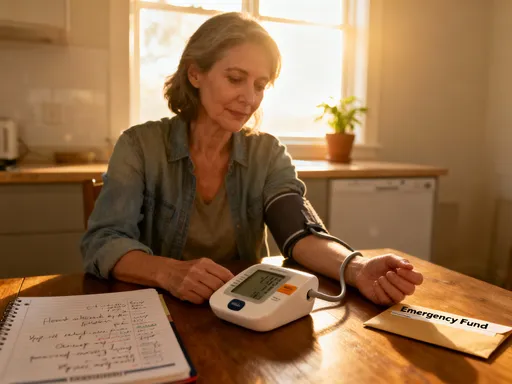
Monitoring at home became part of my routine. I used a validated upper-arm blood pressure monitor, taking readings at the same time each day, usually in the morning before coffee. I recorded the numbers in a notebook, watching trends over weeks. This data gave me insight and empowered conversations with my doctor. It also helped me see that progress isn’t always linear—some days the numbers went up, but the overall trend mattered most.
Conclusion: Small Steps, Big Changes—My Heart Thanks Me
Today, more than a year since my diagnosis, my blood pressure averages 126 over 82—still monitored, but well within a healthier range. I haven’t eliminated medication entirely, but my doctor reduced my dosage, which felt like a meaningful victory. More importantly, I feel different. I have more energy. I sleep better. I walk with purpose, not just for my heart, but for my peace of mind.
This journey wasn’t about dramatic transformations or extreme routines. It was about small, deliberate choices—choosing the stairs, pausing to stretch, lacing up my shoes even when I didn’t feel like it. Each action was a quiet promise to myself, a daily investment in longevity and well-being. Exercise became less of a task and more of a ritual, a way of honoring my body and its needs.
If you’re reading this and feeling uncertain about where to start, know this: you don’t need a gym, a trainer, or perfect conditions. You need only the willingness to begin. Start with a five-minute walk. Try a few gentle stretches. Breathe deeply for two minutes. These acts may seem small, but their cumulative effect is profound. Over time, they reshape not just your numbers, but your relationship with your health.
Always work with your doctor. Stay informed. Be patient. Progress takes time, and setbacks are part of the process. But every step forward counts. My heart is stronger because I moved—not perfectly, not dramatically, but consistently. And that, I’ve learned, is enough.